
Analysis: Physical AI upgrades autonomous driving and lifts Taiwan supply chains
DIGITIMESen
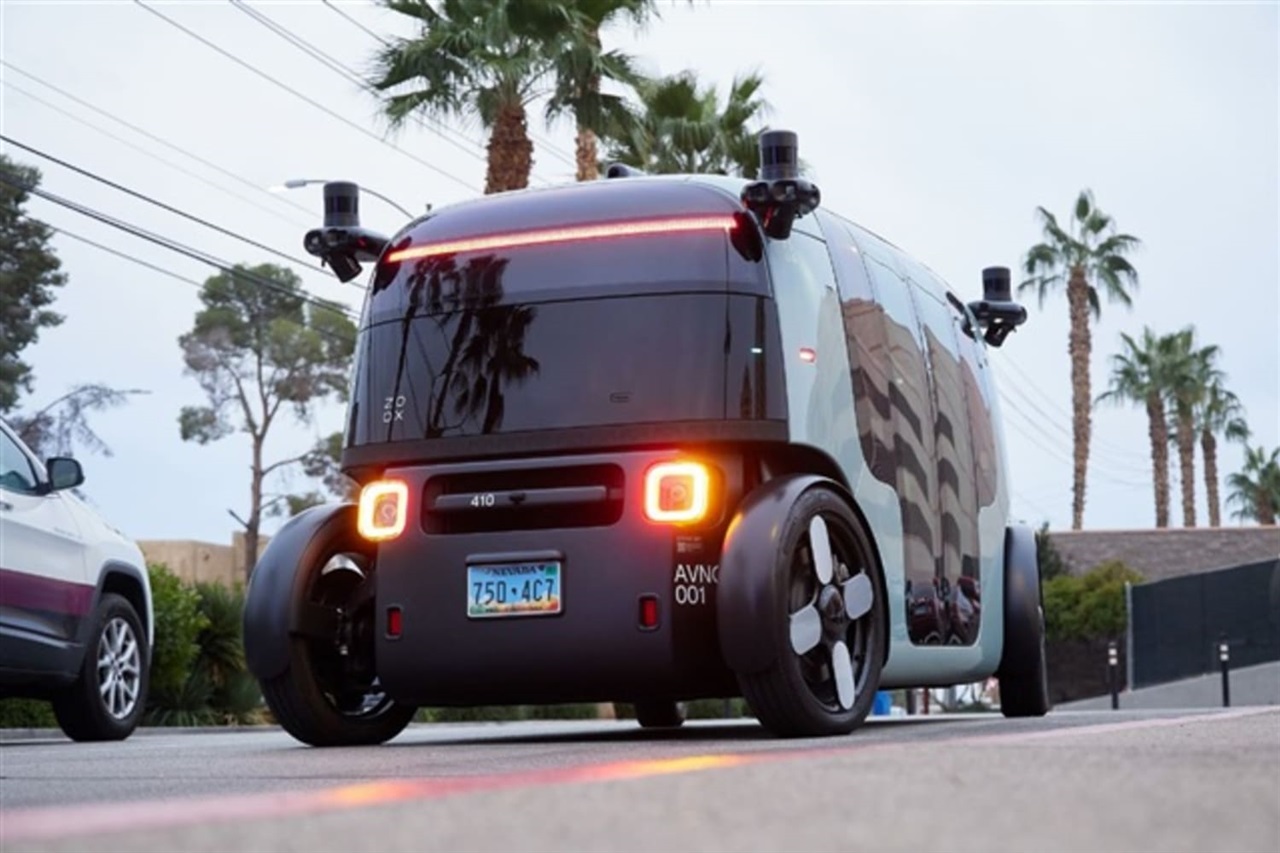
As end-to-end (E2E) autonomous driving architectures gradually become mainstream, the inference demands of physical AI are driving radical transformations in automotive system-on-chip (SoC) design. DIGITIMES Intelligence analyst Jasper Jiang notes that neural processing units (NPUs), or dedicated AI accelerators, are becoming the core processing engines of next-generation automotive SoCs to satisfy three stringent demands of AI inference in autonomous driving: ultra-low latency, reduced system power consumption, and minimized memory bottlenecks.
This is a short summary published by AI Global Wire. The full article is owned and hosted by DIGITIMES — open it there to read it in full.
Read the full story at DIGITIMESRelated AI news
- “마통만 20조”…IPO 앞둔 앤트로픽, 스페이스X 넘본다ETNews (KR) · September 4, 2026
- Q&A with Jensen Huang and Clément Delangue on the Nvidia-Hugging Face deal, scaling open-source models, the rumored $1B talent retention plan, and more (CNBC)Techmeme · September 4, 2026
- 華碩聯手 Nvidia 推超級桌電,重塑企業 AI 基礎架構TechNews (TW) · September 4, 2026
- 資安大廠 Zscaler 財報優 AI 帶動需求成長TechNews (TW) · September 4, 2026
- A profile of Hugging Face, which started in 2016 to build a sassy chatbot for teens; CEO Clément Delangue says he approached Nvidia this summer to pursue a deal (Wall Street Journal)Techmeme · September 4, 2026
- Vertex Ventures leads $6m round in SG robotics firm HiveboticsTech in Asia · September 4, 2026