
Nvidia Rubin architecture drives high-end MLCC demand, solidifying Murata, SEMCO leadership
DIGITIMESen
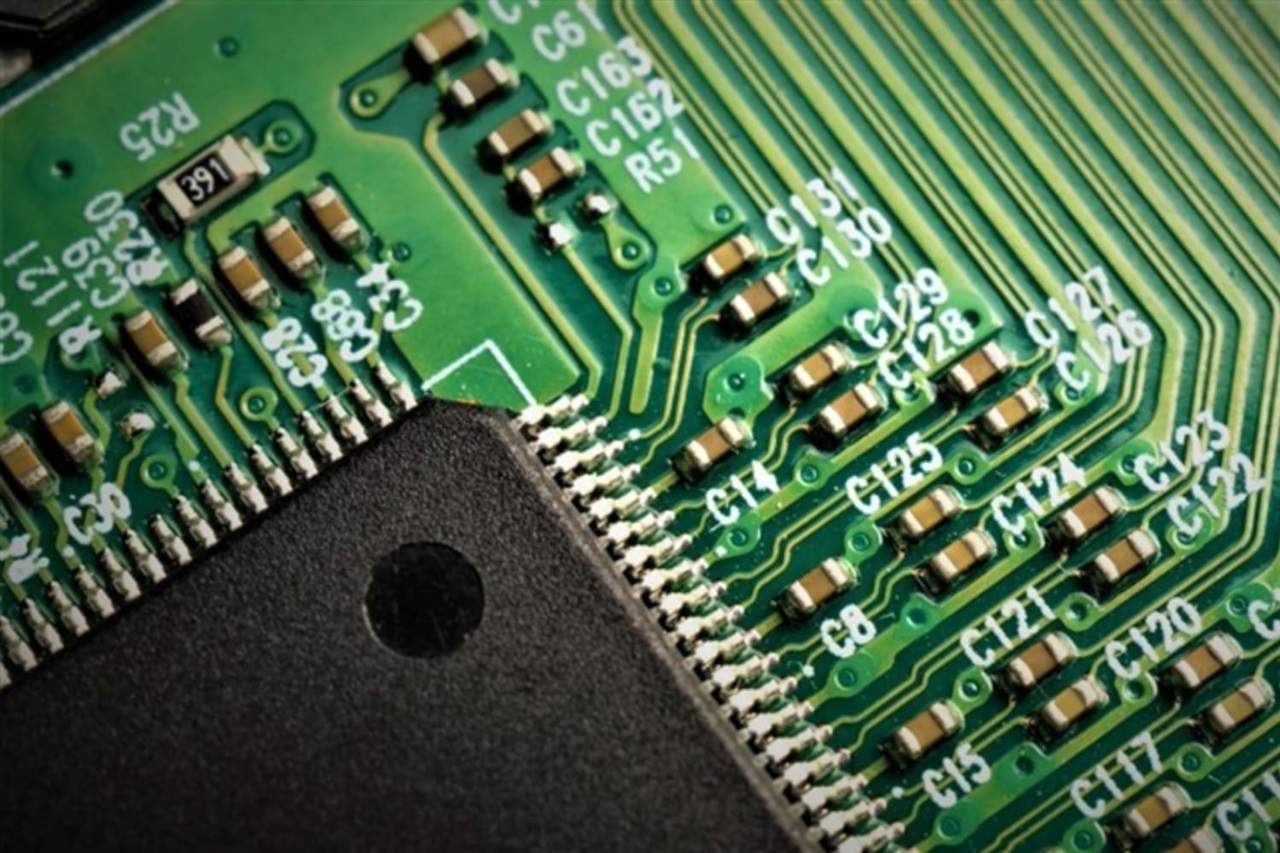
While market focus surrounding AI infrastructure has centered primarily on core computing components—such as GPUs, CPUs, high-bandwidth memory (HBM), and networking hardware—rising chip performance, power consumption, and rack density are rapidly elevating the need for power stability. As a result, high-end multilayer ceramic capacitors (MLCCs) are emerging as critical passive components in next-generation AI deployments.
This is a short summary published by AI Global Wire. The full article is owned and hosted by DIGITIMES — open it there to read it in full.
Read the full story at DIGITIMESRelated AI news
- MediaTek launches Dimensity CX brand for laptops, starting with a 3nm chip for GooglebookDIGITIMES · September 22, 2026
- 美財長:川普政府不會向 AI 開發者提供免責保護TechNews (TW) · September 22, 2026
- Chinese robot sensor firm PaXini begins IPO processTech in Asia · September 22, 2026
- 別把 AI 當成單純的省錢工具,真正贏家是那些比對手「學得更快」的企業TechNews (TW) · September 22, 2026
- 免費 AI 進校園後,學校還能自由退出嗎?TechNews (TW) · September 22, 2026
- China’s MLCC market splits in 2 as AI server demand outpaces consumer electronicsSCMP Tech · September 22, 2026