
Taiwan eyes US FDPR alignment to block AI transshipment
DIGITIMESen
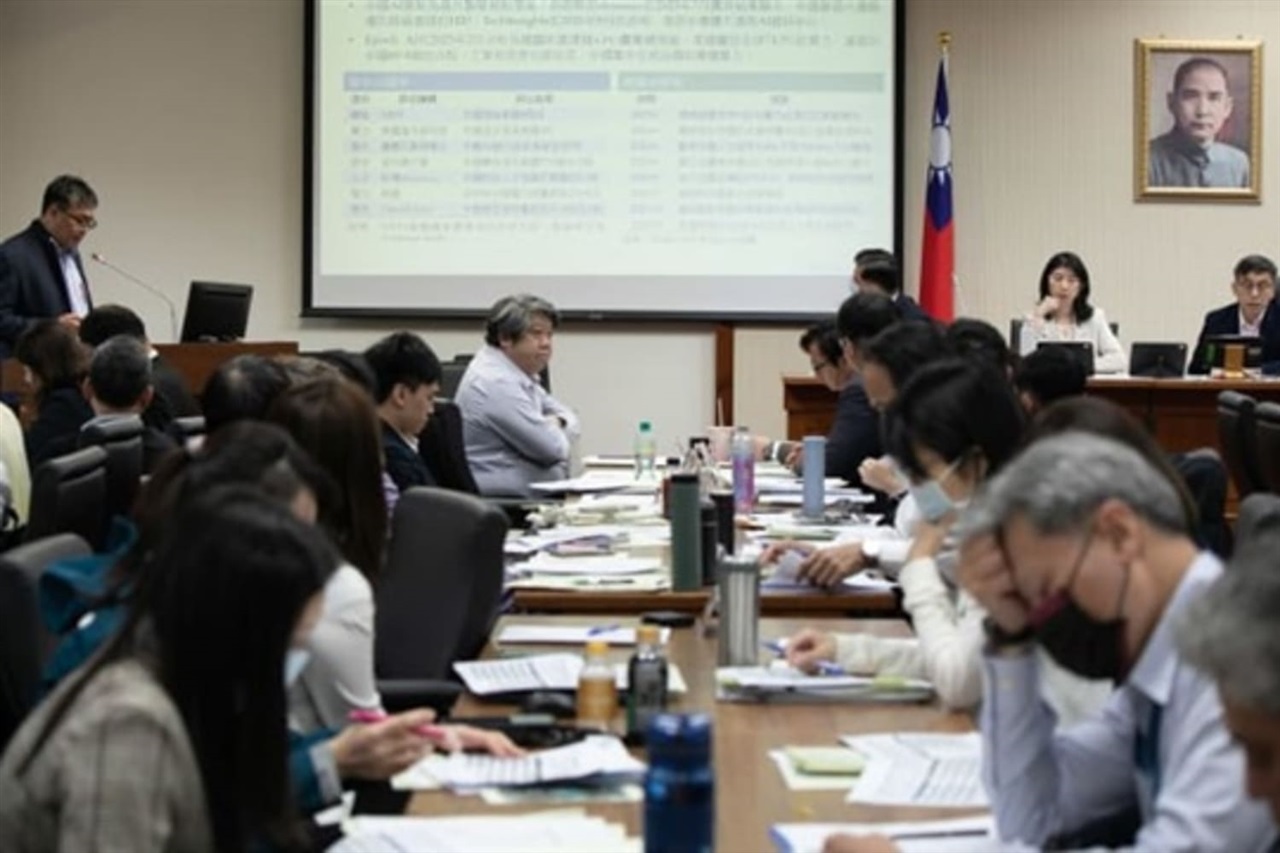
As US export controls make it increasingly difficult for China and other restricted nations to obtain advanced chips and AI servers, Taiwan is taking proactive measures to tighten its own export controls and prevent the nation from becoming a transshipment loophole. Under the Agreement on Reciprocal Trade (ART) between Taiwan and the US, Taiwan's Ministry of Economic Affairs (MOEA) plans to align local regulations with the US Foreign Direct Product Rule (FDPR).
This is a short summary published by AI Global Wire. The full article is owned and hosted by DIGITIMES — open it there to read it in full.
Read the full story at DIGITIMES- Reglering
Related AI news
- Q&A with NYC Mayor Zohran Mamdani on new municipal AI policy measures, like an AI ban for some students, support for a one-year data center pause, and more (Katie Drummond/Wired)Techmeme · November 4, 2026
- Following backlash against its education updates, Google says schools can choose to enable Gemini, Gemini Notebook, and Search individually (Isabel O'Brien/CNBC)Techmeme · November 4, 2026
- How Nvidia uses soft power to influence customers and shape US chip policy; sources: OpenAI took no public stance on China chip exports to avoid angering Nvidia (The Information)Techmeme · November 4, 2026
- States take steps to secure vote after federal pullbackAxios · November 3, 2026
- OpenAI hires former US Army Secretary Dan Driscoll to oversee national security modernization, as it pushes to secure government contracts and shape policy (Gareth Vipers/Wall Street Journal)Techmeme · November 3, 2026
- OpenAI hires ex-US Army Secretary Dan Driscoll to oversee national security modernization, as it pushes to secure government contracts and shape military policy (Gareth Vipers/Wall Street Journal)Techmeme · November 3, 2026