
Weekly news roundup: AI boom strains chips; Google's TPUs pay off, China eyes 3nm without EUV
DIGITIMESen
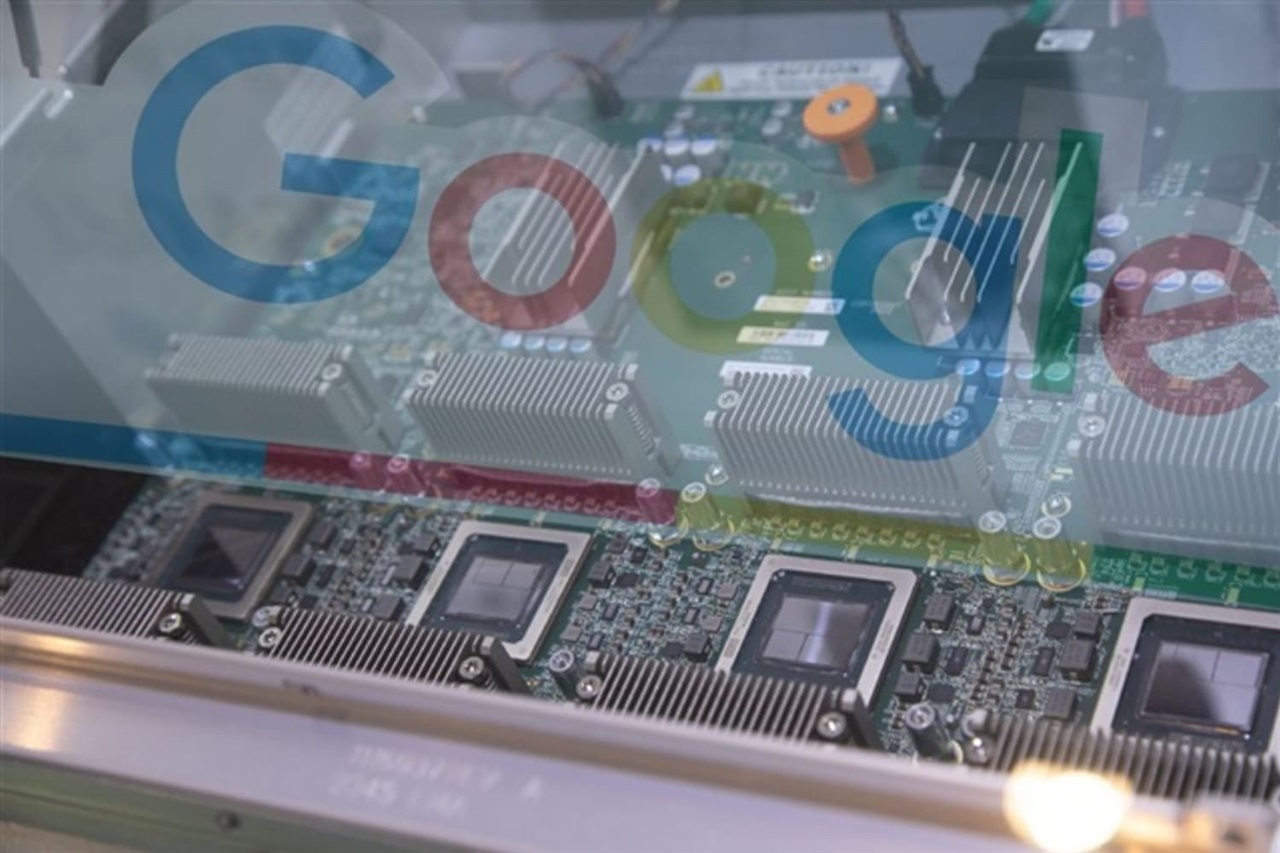
This week’s reports centered on intensifying competition and bottlenecks across the semiconductor and AI supply chains, from Sandisk’s unusual engineering push in Korea and Google’s TPU-driven ASIC demand to equipment shortages and packaging debates that could slow capacity expansion. Taiwan’s Physical AI discussions emphasized system integration over components, while China’s semiconductor researchers outlined a DUV-based sub-3nm GAA path. Beijing also moved to restrict civilian drones starting in November sharply. Below are the most-read DIGITIMES stories from September 14 to September 20, 2026
This is a short summary published by AI Global Wire. The full article is owned and hosted by DIGITIMES — open it there to read it in full.
Read the full story at DIGITIMES- Forskning
Related AI news
- 美 AI 四巨頭有意減緩研發,遭控聯合壟斷影響訂戶權益TechNews (TW) · September 21, 2026
- Google 為何甘願分食 Gemini 的算力?自己用最划算卻把 AI 晶片賣給 Anthropic 的答案是這個TechNews (TW) · September 20, 2026
- No one is surprised that Nvidia’s Jensen Huang thinks AI fears are overblown.The Verge AI · September 20, 2026
- Alibaba's open-weight Qwen-Image-2.1 claims to beat closed models in image generation with just 7 billion parametersThe Decoder · September 20, 2026
- How to know if you can trust an AI’s answer to your questionAI Earnings (Google News) · September 20, 2026
- Asia's AI adoption outpaces perception, says Google executiveNikkei Asia · September 20, 2026